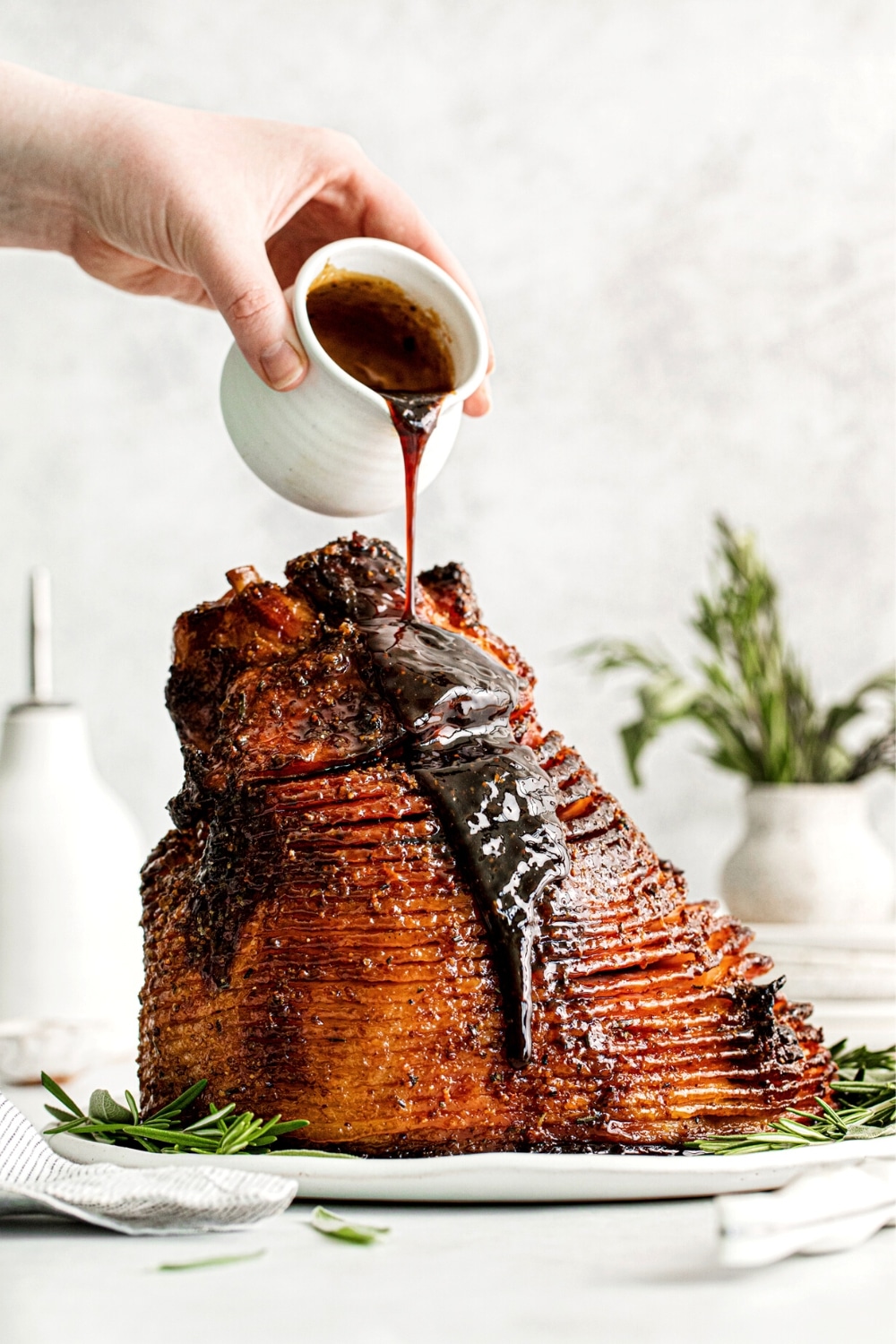
Secrets to a Juicy Brown Sugar Glazed Holiday Ham
The aroma of a perfectly roasted ham, kissed with a sweet, sticky glaze, is synonymous with holiday cheer. For many, a succulent
brown sugar glazed ham isn't just a meal; it's a centerpiece, a tradition, and a beacon of festive celebration. While it might seem like a dish reserved for seasoned chefs, achieving that enviable combination of a tender, juicy interior and a beautifully caramelized crust is entirely within your reach. This comprehensive guide will unlock the secrets to preparing a holiday ham that will earn rave reviews and become a cherished memory around your table.
The Allure of Brown Sugar Glazed Ham for Your Holiday Table
What makes a
brown sugar glazed ham so undeniably special? It's a symphony of flavors and textures. The inherent saltiness of cured ham provides the perfect counterpoint to the deep, molasses-rich sweetness of brown sugar. When expertly applied and baked, the glaze transforms into a glistening, slightly crisp coating that seals in moisture and adds an extra layer of caramelized complexity. This dish evokes a sense of nostalgia, comfort, and generosity, making it a perennial favorite for Christmas, Easter, and other special gatherings. It's not just food; it's an experience, a focal point that brings everyone together. If you're wondering
Why Brown Sugar Glazed Ham is Your Holiday Must-Have, look no further than its irresistible balance of sweet and savory, its stunning visual appeal, and its ability to feed a crowd with minimal fuss.
Choosing the Perfect Ham: A Foundation for Flavor
The journey to an unforgettable
brown sugar glazed ham begins with selecting the right foundation. Most hams available in supermarkets are pre-cooked and cured, meaning they only need to be reheated to a safe internal temperature. However, there are still important choices to make.
Bone-in vs. Boneless Ham
*
Bone-in Ham: Often considered superior for flavor and moisture. The bone contributes to a richer taste and helps prevent the ham from drying out. It also makes for impressive presentation. The downside is that it can be a bit trickier to carve.
*
Boneless Ham: Offers convenience in carving and often takes up less space in the refrigerator. While sometimes sacrificing a touch of flavor, a good boneless ham can still be incredibly delicious, especially with the right glazing technique.
Spiral-Cut vs. Whole Ham
*
Spiral-Cut Ham: This is a popular choice for holiday meals. It's pre-sliced around the bone, making carving effortless. The cuts also allow the glaze to penetrate deeper into the ham, enhancing flavor in every bite. However, the pre-cut nature can also make it more prone to drying out if not cooked carefully.
*
Whole Ham (Shank or Butt Portion): A whole ham requires more carving work but offers greater control over moisture retention. You'll need to score the ham yourself before glazing.
For beginners or those prioritizing ease, a
spiral-cut, bone-in ham often strikes the perfect balance between flavor, moisture, and convenience. Aim for a ham that is 8-12 pounds for a typical holiday gathering, allowing roughly 1/2 to 3/4 pound per person for bone-in, or 1/3 to 1/2 pound for boneless.
Crafting the Irresistible Brown Sugar Glaze
The glaze is the heart and soul of a truly great
brown sugar glazed ham. It transforms a simple reheated ham into a culinary masterpiece. The key is to balance sweetness with complementary flavors and to apply it at just the right time.
Essential Glaze Ingredients
The core of most brown sugar glazes includes:
*
Brown Sugar: The star! Light or dark brown sugar works, with dark brown offering a deeper molasses flavor.
*
Mustard: Dijon, spicy brown, or even yellow mustard adds a crucial tangy counterpoint to the sweetness. It also acts as an emulsifier, helping the glaze adhere.
*
Liquid: Pineapple juice, orange juice, apple cider, or even water helps create a brushable consistency.
*
Spices: Ground cloves, cinnamon, nutmeg, or a dash of allspice can add warmth and complexity.
Glaze Variations to Elevate Your Ham
While a classic brown sugar glaze is divine, don't hesitate to experiment with additions:
*
Pineapple & Cherry: The quintessential combination. Pineapple juice in the glaze, with pineapple rings and maraschino cherries adorning the ham's surface.
*
Orange & Ginger: Orange zest and juice in the glaze, with a touch of grated fresh ginger for a zesty, aromatic kick.
*
Maple & Bourbon: Swap some brown sugar for maple syrup and add a splash of bourbon for a sophisticated, warming flavor.
*
Spicy Kick: A pinch of cayenne pepper or a dash of hot sauce can provide an unexpected but welcome warmth.
Mastering the Glazing Technique
The timing of glaze application is crucial for achieving that beautiful, sticky crust without burning.
1.
Initial Bake: Begin by baking your ham uncovered, without glaze, for the first portion of the cooking time (typically an hour or so, depending on the ham's size and instructions). This allows the ham to heat through gently.
2.
First Glaze Application: About 45-60 minutes before the ham is fully cooked, remove it from the oven. Generously brush or spoon about half of your prepared brown sugar glaze over the entire surface of the ham. Pay attention to the sides and any scored areas.
3.
Subsequent Applications: Return the ham to the oven and continue baking. Every 10-15 minutes, reapply more glaze. This builds up layers of flavor and allows the glaze to caramelize slowly without burning. If the glaze starts to darken too quickly, loosely tent the ham with foil.
4.
Internal Temperature: Continue glazing until the ham reaches an internal temperature of 140°F (60°C) for pre-cooked hams. Use a reliable meat thermometer inserted into the thickest part of the ham, avoiding the bone.
For a more detailed breakdown of ingredients and step-by-step instructions for the perfect glaze, check out
The Ultimate Brown Sugar Glazed Ham Recipe Guide.
Secrets to a Perfectly Juicy and Tender Ham
Beyond the glaze, proper cooking techniques are essential for preventing a dry, tough ham.
Prepping Your Ham for Success
*
Bring to Room Temperature: Before baking, let your ham sit at room temperature for 1-2 hours. This promotes more even cooking.
*
Score the Ham (if not spiral-cut): If you have a whole ham, score the fatty cap in a diamond pattern (about 1/4 inch deep) before baking. This not only looks beautiful but also helps the fat render and the glaze penetrate.
*
Moisture in the Pan: To prevent drying, add about 1/2 to 1 cup of water, chicken broth, or pineapple juice to the bottom of the roasting pan. This creates a moist environment.
Optimal Cooking Temperatures and Times
Most pre-cooked hams should be reheated at a moderate temperature, typically 300°F to 325°F (150°C to 160°C).
*
Bone-in Ham: Allow approximately 15-18 minutes per pound.
*
Boneless Ham: Allow approximately 10-14 minutes per pound.
Always rely on a meat thermometer to confirm doneness (140°F or 60°C for pre-cooked ham). Remember that ovens vary, so actual cooking times may differ.
The Importance of Resting
Once your ham reaches the desired internal temperature, resist the urge to carve it immediately.
Resting is crucial!
* Remove the ham from the oven, tent it loosely with foil, and let it rest for 15-30 minutes.
* During this time, the juices that have migrated to the center of the ham redistribute throughout the meat, resulting in a significantly juicier and more tender slice. Carving too soon will cause those precious juices to run out, leaving you with a drier ham.
Serving Suggestions and Leftover Magic
A magnificent
brown sugar glazed ham deserves equally delicious accompaniments. Classic pairings include scalloped potatoes, roasted asparagus, green bean casserole, mashed sweet potatoes, and soft dinner rolls. Don't forget a side of extra glaze or a tangy cranberry sauce for those who desire more.
The beauty of a holiday ham is not just the main meal, but the incredible leftovers. Ham sandwiches, split pea soup, ham and bean soup, ham and eggs, or even diced ham in omelets and casseroles will extend the joy of your holiday feast for days to come.
Conclusion
Crafting a truly spectacular
brown sugar glazed ham for your holiday table is a rewarding culinary endeavor that brings warmth and flavor to any celebration. By carefully selecting your ham, mastering the balance of sweet and savory in your glaze, and employing smart cooking techniques, you can ensure a juicy, tender, and irresistibly caramelized centerpiece that will delight your guests. From the moment the sweet aroma fills your kitchen to the last delectable bite, this holiday ham will be a testament to your culinary care. So, roll up your sleeves, embrace the festive spirit, and prepare to create a memorable holiday meal that everyone will cherish.